

The Complete Seasonal Bedding Guide Bamboo Sheets Flannel Sheets Comforters and Heated Blankets
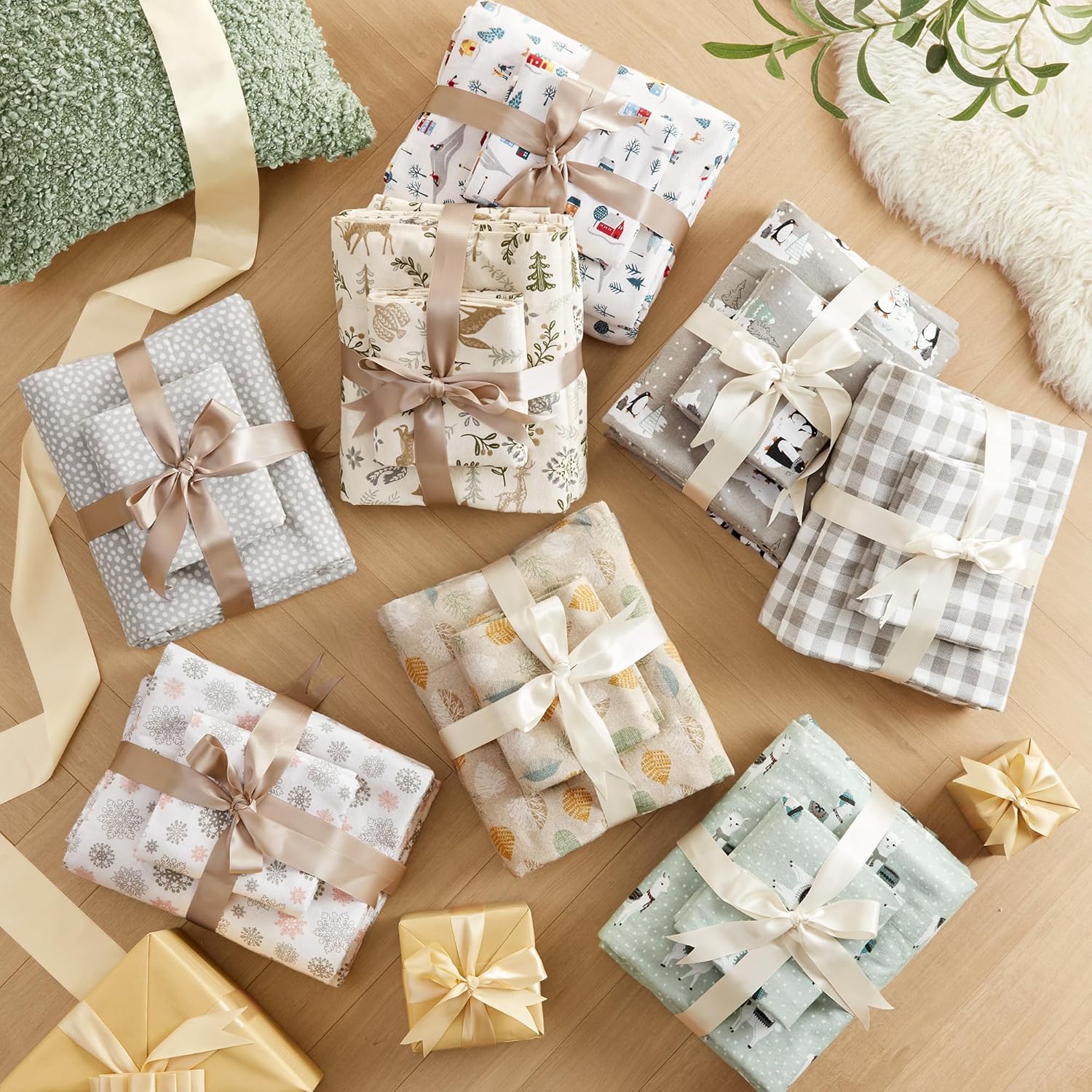
Most people set up their bed once and sleep in it through every season without changing a thing. The sheets that worked in July are still on the bed in January. The lightweight summer comforter is pushed aside and replaced with a heavy blanket that makes the nights warmer but the mornings more difficult.
There is a better way. Choosing the right bedding for each season is one of the simplest and most effective changes a person can make for better sleep year round. This guide covers exactly which bedding works best in each season, why the material matters more than most people realize, and how to build a sleep setup that stays comfortable whether the temperature is climbing or falling.
Why Seasonal Bedding Makes a Real Difference in Sleep Quality
The body’s core temperature naturally drops during sleep. This is not a side effect of sleep. It is a requirement for it. The brain triggers sleep onset partly by initiating a drop in core body temperature, and maintaining that cooler core temperature through the night supports deeper, more restorative sleep stages.
When the sleeping environment is too hot, the body struggles to achieve and maintain that temperature drop. Sleep becomes lighter, more interrupted, and less restorative. When the environment is too cold, the body diverts energy toward maintaining warmth rather than recovery and repair.
Bedding sits directly at the intersection of body temperature and sleep quality. The sheets are in direct contact with skin for six to eight hours. The comforter determines how well insulated the sleeping body is from the room temperature around it. Getting the bedding right for the actual season rather than using whatever is on the bed already makes a measurable difference in how rested the morning actually feels.
Summer Bedding: When Bamboo Sheets Are the Best Choice
Summer creates the most common bedding problem: too much heat building up against the skin through the night. Standard cotton percale sheets are a reasonable choice for warm weather because of their breathability, but bamboo sheets outperform them for summer sleeping in nearly every category that matters.
Bamboo sheets are made from bamboo-derived rayon fiber, which has a unique structure at the microscopic level. The fibers contain micro-gaps that allow air to circulate through the fabric rather than trapping it against the skin. This natural ventilation effect keeps the sleep surface noticeably cooler than denser woven fabrics.
Moisture-wicking is the other key bamboo advantage in summer. Night sweats are a common sleep disruptor in warm months. Bamboo fiber pulls moisture away from the skin and moves it outward through the fabric where it evaporates. Studies have found bamboo fabric evaporates moisture significantly faster than cotton, which means the sheet surface stays dry and comfortable rather than damp and warm throughout the night.
Sleep Philosophy 100% Rayon from Bamboo sheet sets are specifically designed for this performance profile. The 15-inch deep pocket fitted sheet accommodates most standard and pillowtop mattresses securely, and the all-around elastic prevents the corner pullouts that happen during active sleeping on warm nights when more movement is common. The lightweight fabric drapes smoothly rather than clinging, which adds to the cool feel during warmer nights.
For summer, pair the bamboo sheets with a lightweight comforter or a single flat sheet as the only covering. Most hot sleepers find that the bamboo fitted sheet beneath and a thin flat sheet or light coverlet above is all that is needed. A heavy comforter in summer traps warmth that the bamboo sheets are working to release, which defeats the purpose.
Fall Transition: Building the Bridge Between Seasons
Fall is the trickiest season for bedding because temperatures vary significantly from night to night. A week of warm autumn evenings can be followed immediately by the first genuinely cold nights of the year. A bedding setup that is too heavy at the start of fall becomes too warm by mid-morning. A setup that is too light for the cold snap that arrives in October leaves the bed uncomfortable before the right winter layers are out of storage.
The best approach for fall is layering. Keep the bamboo sheets from summer on the bed because they continue to work well in cool temperatures too. Bamboo is genuinely temperature regulating across a broad range, not just a summer product. Add a medium-weight comforter on top that can be pushed aside on warm nights and pulled close on cooler ones.
This is also the right time to make the switch to a flannel flat sheet if that is the household preference for winter warmth. A flannel flat sheet above the bamboo fitted sheet adds a soft, warm layer against the skin without committing to the full warmth of a flannel sheet set. It gives the option to add or remove the warm layer without changing the whole bed.
The transition comforter for fall should be medium fill. Not the lightest summer option and not the heaviest winter version. A down-alternative all-season comforter with a medium fill weight handles the variability of fall temperatures without requiring constant adjustment.
Winter Bedding: When Flannel Sheets Earn Their Place
Flannel sheets exist specifically for winter. The brushed cotton construction that makes them warm is not a design choice that translates to other seasons. It is engineered for cold-weather sleeping and it works extraordinarily well in that context.
True North by Sleep Philosophy flannel sheets use 100% brushed cotton that is run through multiple brushing passes to raise a dense, fuzzy nap on both surfaces of the fabric. This multi-brushing process creates more air pockets in the weave than single-brushed alternatives, which means more warmth per square inch of fabric. The trapped air is what provides insulation. The same physical mechanism that makes a fleece jacket warm in cold air makes flannel sheets warm in a cold bedroom.
The warmth is felt immediately. Where standard cotton or bamboo sheets feel cool when first sliding into bed, flannel sheets feel warm from the first contact because the soft nap traps the ambient heat in the bed and holds it at the surface. This instant warmth quality is what makes flannel sheets genuinely popular in cold-climate households rather than just seasonally marketed.
The flannel fitted sheet in the True North line uses all-around elastic rather than just corner straps, which keeps the sheet firmly in place through the night on any mattress depth. OEKO-TEX Standard 100 certification confirms the materials are free from harmful substances, which matters for bedding that is against skin for eight or more hours in every season.
For deep winter nights, pair flannel sheets with a heavy-fill comforter and a heated blanket as an additional warmth layer when needed. The combination of flannel sheets below and a heavyweight comforter above creates a fully insulated sleep environment that stays warm through even the coldest nights in most climates.
When a Heated Blanket Makes More Sense Than a Heavier Comforter
A heavier comforter is the obvious solution for cold winter nights, but it is not always the right one. Comforters are a fixed warmth level. The same fill weight that keeps one person comfortable at 18 degrees outside will make another person too hot by 3 a.m. A heated blanket solves this problem by making warmth adjustable rather than fixed.
Sleep Philosophy heated blankets offer multiple heat settings that can be adjusted throughout the night. A higher setting for the first cold minutes in bed, stepping down to a lower setting once body heat builds up, then using the auto shut-off timer to let the blanket turn itself off while sleep continues under the residual warmth of the comforter and flannel sheets beneath. This approach is more energy-efficient than running household heating at higher levels overnight and more comfortable than a heavy comforter that cannot be adjusted without getting out of bed.
Heated blankets are also the better solution for cold sleepers who share a bed with a warm sleeper. A king-size heated blanket with dual-zone controls allows each side of the bed to be set independently. One person runs their side at a lower level while the other uses a higher setting. No more competing over the thermostat or the extra blanket pile on one side of the bed.
For the coldest possible nights, the combination of flannel sheets, a medium-weight comforter, and a heated blanket set to low before sleep creates the most comfortable cold-weather setup available. All three layers work together rather than competing, and the heated blanket can be turned off or reduced once the bed is fully warm.
Spring: The Gradual Swap Back
Spring is the reverse of fall. Temperatures warm slowly and unpredictably. The full winter setup of flannel sheets, heavy comforter, and heated blanket can stay in place through early spring when nights are still cold. As temperatures climb through April and May, the transition should happen in stages rather than all at once.
The heated blanket is typically the first thing to come off the bed as spring arrives. Nights are still cold enough for the flannel sheets and comforter but warm enough that the heated blanket would cause overheating. The comforter transitions from heavyweight to medium fill as May approaches. By late spring, the flannel sheets are ready to be washed, stored, and replaced with the bamboo sheets that performed well all summer the previous year.
Washing and storing seasonal bedding correctly extends how long it performs. Wash flannel sheets in cold water on a gentle cycle and store in a breathable fabric bag rather than a sealed plastic container, which can trap moisture and cause mustiness. Wash comforters on a gentle cycle in a large-capacity front-loader with dryer balls and ensure they are completely dry before folding for storage.
The Year-Round Bedding Approach
For households who prefer not to maintain two full sets of seasonal bedding, bamboo sheets are the most capable year-round option. Their temperature-regulating properties handle a wider range of conditions than any other sheet fabric type. They keep the sleep surface cool in summer and comfortable in winter without needing to be swapped out. Pairing bamboo sheets with a medium-weight comforter that can be supplemented by a heated blanket in the coldest months covers most of the year without dedicated seasonal bedding.
The full seasonal approach produces the best results: bamboo sheets in summer, flannel sheets in winter, a medium all-season comforter with a heated blanket for the coldest nights. But the year-round bamboo approach is a practical and comfortable alternative that requires less storage space and fewer seasonal changeovers.