

Do You Really Need a Mattress Protector If You Already Have a Mattress Pad
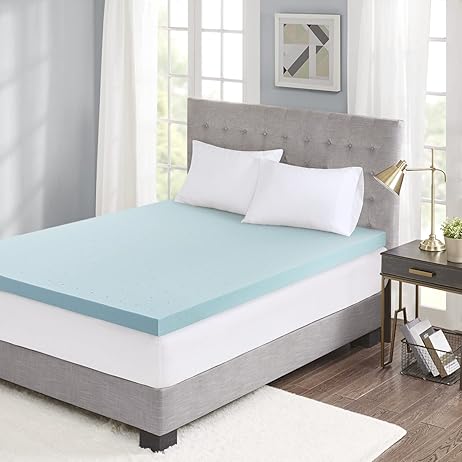
This is one of the most common questions in bedding. A mattress pad is already on the bed, it adds comfort, and it sits between the body and the mattress. Surely that is enough protection? The answer, when you understand what a mattress pad actually does and what it cannot do, is that a mattress protector provides a fundamentally different kind of defense that a pad cannot replicate.
This post gives the honest answer without trying to sell an extra product for the sake of it. Some situations genuinely need both. Some situations do well with just one. Understanding the actual function of each product makes the decision obvious rather than confusing.
What a Mattress Pad Does and Does Not Do
A mattress pad is a cushioned, quilted layer that fits over the mattress. Its primary job is comfort. The padded fill adds a soft layer between the sleeper and the mattress surface. It can smooth out a slightly firm surface, add warmth in cooler months, and make a guest bed feel more welcoming without replacing the mattress.
Mattress pads do absorb some moisture. The fabric and fill soak up perspiration that reaches them through the night. This provides a basic level of protection against the slow accumulation of body moisture that gradually degrades a mattress over time. For light, everyday moisture from normal perspiration, a mattress pad provides meaningful but incomplete protection.
The limitation becomes clear when liquid moves from absorption to saturation. A mattress pad is not waterproof. Most standard mattress pads have no waterproof backing. When a significant spill occurs, or when moisture from perspiration builds up consistently night after night, liquid eventually passes through the pad and reaches the mattress below. Once moisture reaches the interior of a mattress it creates conditions for mold, mildew, allergen buildup, and structural degradation that are genuinely difficult to reverse.
Sleep Philosophy mattress pads use 3M Scotchgard Moisture Management Treatment, which wicks moisture away from the surface and helps release stains during washing. This is significantly better moisture management than an untreated pad. But the Scotchgard treatment is a surface treatment, not a waterproof membrane. The distinction matters: wicking manages where moisture goes, waterproofing blocks it entirely.
What a Mattress Protector Does That a Pad Cannot
A mattress protector is designed with protection as its sole purpose. It is typically much thinner than a mattress pad, often less than an inch, and adds no meaningful comfort to the sleep surface. What it does instead is create a genuine barrier between the mattress and everything happening above it.
Sleep Philosophy waterproof mattress protectors use a TPU (thermoplastic polyurethane) inner layer. TPU is a flexible, noiseless waterproof membrane that allows the protector to move with the bed without the stiff, crinkly feel of older PVC-backed designs. When any liquid reaches the protector surface, whether from a spilled glass, a sick child, a pet accident, or the cumulative daily perspiration of a heavy sweater, the TPU layer stops it completely from reaching the mattress below.
The 3M Scotchgard treatment on the top surface of Sleep Philosophy mattress protectors handles the daily surface layer: wicking moisture away and releasing stains during washing. The TPU layer behind it handles the non-negotiable backup: if anything gets through the surface treatment, it still cannot reach the mattress. It is a two-layer defense system in a single thin product.
There is another form of protection that neither sheets nor mattress pads provide: allergen defense. Mattress surfaces accumulate dust mites, dead skin cells, and other allergens over time. A fitted mattress protector covers the entire top surface of the mattress and creates a barrier that reduces allergen accumulation and makes the sleep environment healthier for allergy sufferers. This is particularly meaningful for anyone with asthma, eczema, or dust mite sensitivities.
The Honest Cost of Skipping a Mattress Protector
A quality mattress is one of the most significant investments in a home. Most people spend years saving toward a better mattress or make a deliberate decision to invest in their sleep quality. It is a decision that is meant to last a decade or more.
Mattresses that are not properly protected fail faster than they should. Moisture that penetrates the sleep surface breaks down foam layers, weakens springs, and creates odors and hygiene problems that cannot be washed out because the mattress interior cannot be laundered. What feels like a gradual decrease in mattress comfort over years is often the compounded result of unprotected moisture exposure accelerating the internal breakdown of the mattress structure.
Many mattress warranties require evidence of proper protection to remain valid. Staining or moisture damage is one of the most common reasons mattress manufacturers decline warranty claims. Using a waterproof mattress protector from the first night keeps the mattress in a warranty-valid condition throughout its guaranteed lifespan.
The practical math is straightforward. A mattress protector is a small additional purchase that protects an investment that cost many times more. Replacing a quality mattress years ahead of its expected lifespan because it was not protected costs far more than the protector would have.
Situations Where Both Products Are Clearly the Right Setup
Households with young children are the clearest case for using both a mattress protector and a mattress pad. Children’s mattresses face a higher frequency of liquid accidents than adult beds, and the combination of a waterproof protector plus a comfortable padded surface makes the most practical sense. The protector handles accidents completely. The pad adds comfort for a growing child and can be washed more frequently than the protector when the surface gets noticeably soiled from everyday use.
Households with pets that sleep on the bed benefit equally from both layers. Pet moisture, dander, and the occasional accident make full waterproof protection important, while the pad creates a comfortable sleeping surface that can be laundered regularly and replaced when it wears out without needing to replace the protector at the same time.
Anyone with night sweats benefits significantly from using both. A heavy sweater creates consistent nightly moisture that a pad alone handles inadequately over time. The waterproof backing of the protector stops that moisture at the mattress level even as it soaks through the pad above it.
Guest bedrooms with mattresses that are not used frequently benefit from both because infrequently used mattresses that are not protected can develop moisture and allergen problems silently between uses when no one is checking them. A mattress protector underneath and a pad on top means the guest mattress stays fresh and hygienic for years without requiring active maintenance between visits.
Situations Where One Product May Be Enough
For a completely new mattress being purchased by a single adult with no children or pets, no history of night sweats, and careful daily habits, a quality mattress protector alone is often sufficient. The protector handles the waterproofing and allergen barrier. A separate mattress pad is optional for additional surface comfort.
For a mattress that already has a padded surface layer such as a pillowtop or Euro top, the feel of the mattress may be comfortable enough that a mattress pad adds nothing meaningful. In this situation, a mattress protector alone provides the protection the mattress needs without adding an extra layer that does not change the sleep experience.
The one situation where skipping the mattress protector is not recommended is any mattress that will be used by children, anyone with health considerations, anyone with a history of sweating heavily, or any mattress expected to last through a full warranty period. In all of these situations, the mattress protector is not optional protection. It is the minimum appropriate baseline.
The Correct Layering Order When Using Both
The layering order matters for both function and fit. Start with the mattress protector directly on the bare mattress surface. The protector needs to sit against the mattress with no gap between them because its job is to protect the mattress from anything above it. If the protector goes over a pad, the pad is protected but the mattress is not.
The mattress topper, if one is being used, goes on top of the protector. The mattress pad goes on top of the topper. The fitted sheet goes over the entire stack as the topmost layer.
When using just a protector and a pad without a topper, the order is: protector directly on the mattress, pad on top of the protector, fitted sheet over both. The pad adds the comfort layer that the protector does not provide, and the protector below it ensures complete waterproof defense even when moisture works through the pad.
Check that the fitted sheets being used have enough pocket depth for the combined stack height. A mattress protector adds almost nothing to the height. A mattress pad adds half an inch to two inches. A topper adds two to four more. Deep pocket sheets rated for 14 to 20 inches accommodate most combinations comfortably.
The Simple Answer
A mattress pad adds comfort and manages everyday surface moisture. It is not waterproof. A mattress protector creates a true waterproof barrier and keeps allergens out of the mattress. It adds no comfort. They are not the same product and they are not competing products. They solve different problems and they work better together than either one does alone.
For households where protecting a mattress investment matters, where children or pets share the bed, where night sweats are a regular occurrence, or where a mattress warranty needs to remain valid, using both is not excessive. It is the correct setup. A mattress protector directly on the mattress followed by a quality mattress pad on top is a combination that addresses both full protection and daily comfort in the most complete way possible.